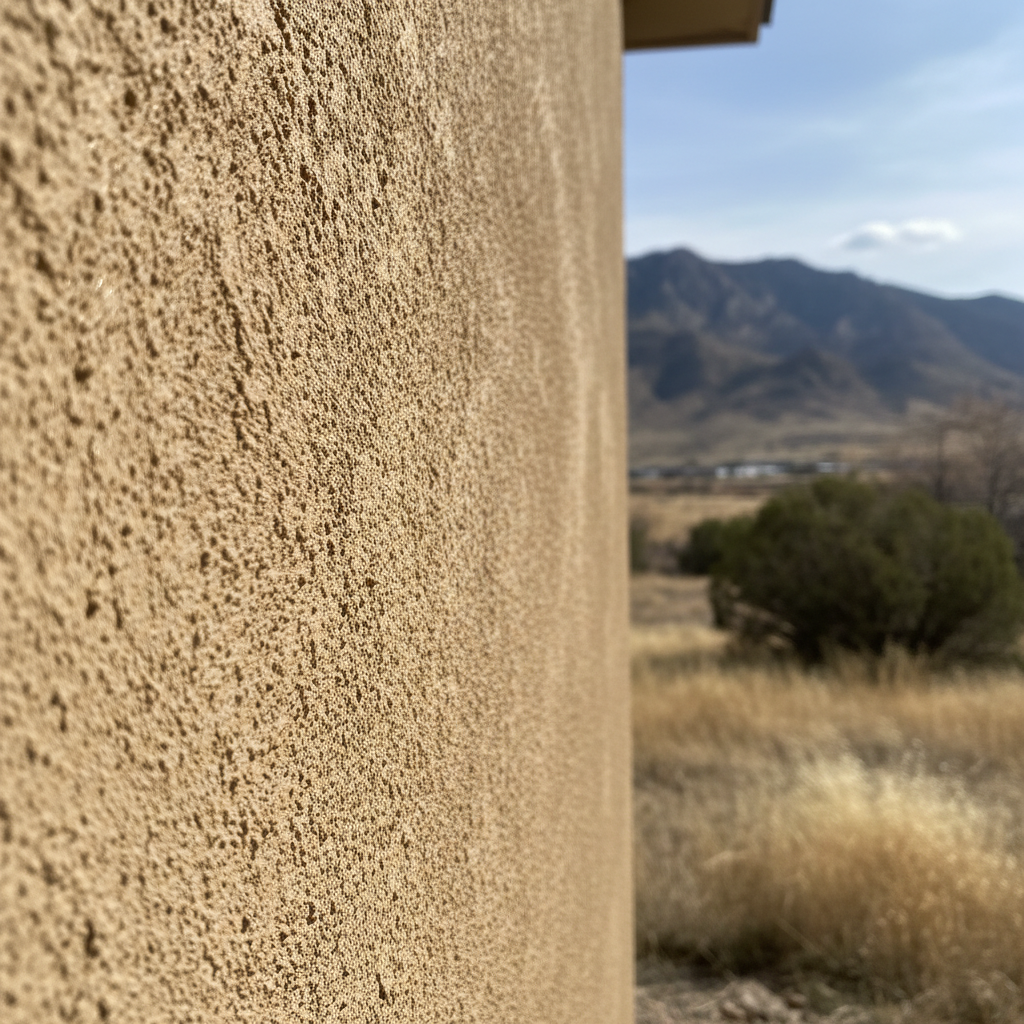
Catching stucco problems early saves you hundreds of dollars or more down the road. If you live out here in Eagle Mountain, Utah, your home exterior takes a real beating from intense summer sun and freezing winter winds rolling off the Oquirrh Mountains. Knowing how to properly inspect your walls helps you stay ahead of damage before small hairline cracks turn into major moisture issues.
What to Do Before Your Inspection
Before you walk the perimeter of your house, you need to prepare. Apex Stucco Company recommends that you grab a notepad, a camera or your phone, and a flashlight. You do not need fancy tools for a basic walkthrough, but you do need daylight and a clear view of your walls. Walk around and clear away any bushes, stacked firewood, or patio furniture that is pressed up against your siding. If sprinklers are hitting your lower walls, turn them off or adjust the heads so they are not constantly soaking the base of your house.
What You Can Check Yourself
You can easily handle the visual walkthrough on your own. Take your time and look closely at every wall.
- Scan for hairline cracks around windows and doors where stress naturally concentrates.
- Check the weep screed at the bottom of the wall to make sure dirt and mulch are not burying it.
- Look for dark staining or bulging areas that might indicate trapped moisture behind the finish.
If you spot minor surface cracks that are narrower than a credit card, they are usually just cosmetic shrinkage. You can monitor them over a few months to see if they grow.
When to Call a Professional
There comes a point when a do-it-yourself check is not enough. If you see wide cracks, crumbling brown coat, or soft spots when you press on the surface, you need expert eyes. That is when Apex Stucco Company gets called out to run moisture meters and do a complete investigation. Water intrusion can hide behind the walls for months before it shows up on the outside, rotting lath and framing silently.
After the Inspection
Once you have finished checking your home, deal with any minor issues immediately. Caulk small gaps around trim pieces and keep gutters clean so water drains far away from your foundation. If you had a professional complete a thorough moisture audit, review their findings and get repairs scheduled before winter weather sets in. Keeping up on regular checkups protects your investment and keeps your home looking sharp for a long time.