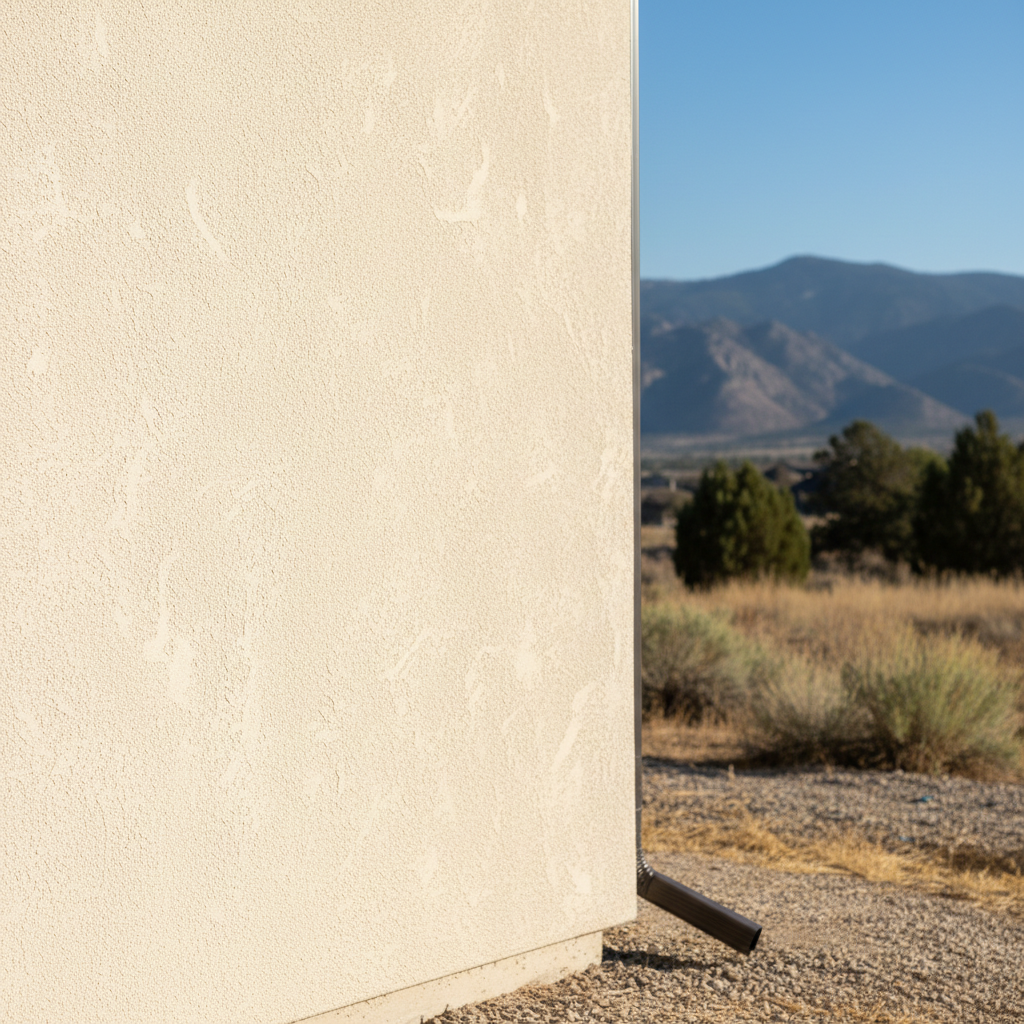
What's the difference between traditional stucco and EIFS?
This is a big one, and it's super important to understand, especially here in Eagle Mountain where we see both types. Traditional stucco, sometimes called hard-coat stucco, is basically a cement-based product. We usually put it on in three layers over a wire lath and a moisture barrier. It dries hard, it breathes, and honestly, it's been around forever. It's tough stuff, no doubt, but it's also rigid. So, if your house shifts a lot or we get those wild temperature swings, it can be prone to cracking.
EIFS, which stands for Exterior Insulation and Finish System, is a little different. Picture it as a multi-layered setup that includes a foam insulation board, then a base coat with a fiberglass mesh, and finally, a finish coat that looks just like stucco. The big plus for EIFS is its insulation power and how flexible it is. It's less likely to crack from small structural movements or temperature changes. But, and this is a big "but," if water gets behind EIFS because of a bad installation or some damage, it can cause bigger headaches. That's because it doesn't breathe as well as traditional stucco. I've actually seen some older EIFS jobs around SilverLake that didn't have proper drainage, and that's exactly where the problems started. Both options can be great, but they're definitely not the same thing.
How long does stucco typically last in our climate?
If it's put on correctly and you take care of it, stucco can last an incredibly long time. We're talking 50 years or even more for traditional stucco. EIFS can also last for decades—usually 20-30 years before you might think about a refresh. Again, though, good installation and regular maintenance are absolutely crucial. Our climate here in Eagle Mountain, with those scorching summers and cold, snowy winters, really puts stucco through its paces. Those freeze-thaw cycles? They can be hard on any exterior material. That's why having a solid moisture barrier and proper flashing around your windows and doors isn't just a suggestion; it's essential if you want it to last. If you spot cracks, don't just ignore them – they're basically an open door for water to sneak in and start causing trouble.
Can I repair stucco myself, or should I always call a professional?
Look, for super small, hairline cracks, you might be able to tackle a DIY patch job, especially if you're handy. You can find patching compounds at hardware stores, no problem. But honestly, for anything more than a tiny cosmetic fix, you really should call someone who knows what they're doing. Stucco repair isn't just about slapping some mud on a wall. It's about figuring out why the damage happened, making sure there's no hidden water getting in, matching textures and colors, and ensuring the repair blends in perfectly with the existing system. A bad repair can end up looking worse than the original damage, and it might even lead to bigger issues later on. I've had to fix plenty of DIY jobs that, in the long run, cost the homeowner more money. Don't risk it if you're not sure, okay?
What are the common signs of stucco failure I should look out for?
You really want to keep an eye out, especially after a tough winter or a lot of rain. Here are the big red flags:
- Cracks: Not just those tiny hairline ones. Look for spiderweb cracking, horizontal cracks, or any cracks wider than a credit card. Cracks around windows and doors are particularly concerning.
- Stains: Dark streaks, especially under windows or at the bottom of walls, often mean water is getting in and running down behind the stucco.
- Bulging or soft spots: If you press on the stucco and it feels soft or spongy, or if you see areas that are clearly bulging out, that's a sign of delamination or moisture damage behind the surface.
- Efflorescence: This is that white, powdery stuff you sometimes see on masonry or stucco. It's mineral salts left behind when water dries up, and it means water is moving through your wall.
- Pest infestations: Termites and other creepy crawlies love damp, dark places. If you start seeing signs of them around your stucco, it could point to moisture problems.
Catching these early can save you a ton of headache and money.
Is stucco a good choice for homes in Eagle Mountain, considering our weather?
Absolutely, it can be a fantastic choice! Stucco is tough, fire-resistant, and offers good insulation, especially EIFS. It holds up well to our strong UV rays and can handle temperature swings if it's installed correctly. The main thing, as I keep saying, is proper installation with good flashing and a solid moisture management system. We've got a lot of expansive clay soils here in Eagle Mountain, which means homes can settle and shift a bit over time. That's why flexible base coats and proper control joints are so important with traditional stucco. They help it handle that movement without cracking. When Horizon Stucco Company does a job, we make sure we're thinking about all these local conditions.
How often should I clean my stucco, and what's the best way to do it?
Cleaning your stucco isn't something you need to do every single month, but a good wash every year or two can really help keep it looking fresh and prevent mold or mildew from building up. For most homes, a gentle wash with a garden hose and a soft-bristle brush is usually enough. You can even use a mild detergent, like dish soap, mixed with water. Just make sure to rinse everything really well. If you've got tougher stains, you can try a cleaner made specifically for stucco, but always test it in a hidden spot first. I generally tell people not to use a high-pressure washer on stucco, especially EIFS. You can easily damage the finish or force water into places it shouldn't be, which completely defeats the purpose of cleaning, right? Low pressure is your friend here.
What's the deal with control joints? Are they always necessary?
Yes, control joints are absolutely necessary, especially with traditional cement stucco. Think of them as planned breaks in the stucco system that let it expand and contract. Stucco, being a rigid material, will naturally move a little bit with temperature changes and minor structural shifts in your home. Without control joints, that movement would just lead to uncontrolled, ugly cracking all over your walls. We usually put them in at specific intervals, typically every 100-144 square feet, and around openings like windows and doors. They help manage stress in the stucco, directing any cracking to these pre-determined lines where it's much less noticeable and easier to maintain. If you see stucco without proper control joints, that's a sign someone cut corners during installation, and you'll probably see a lot more random cracking down the road.