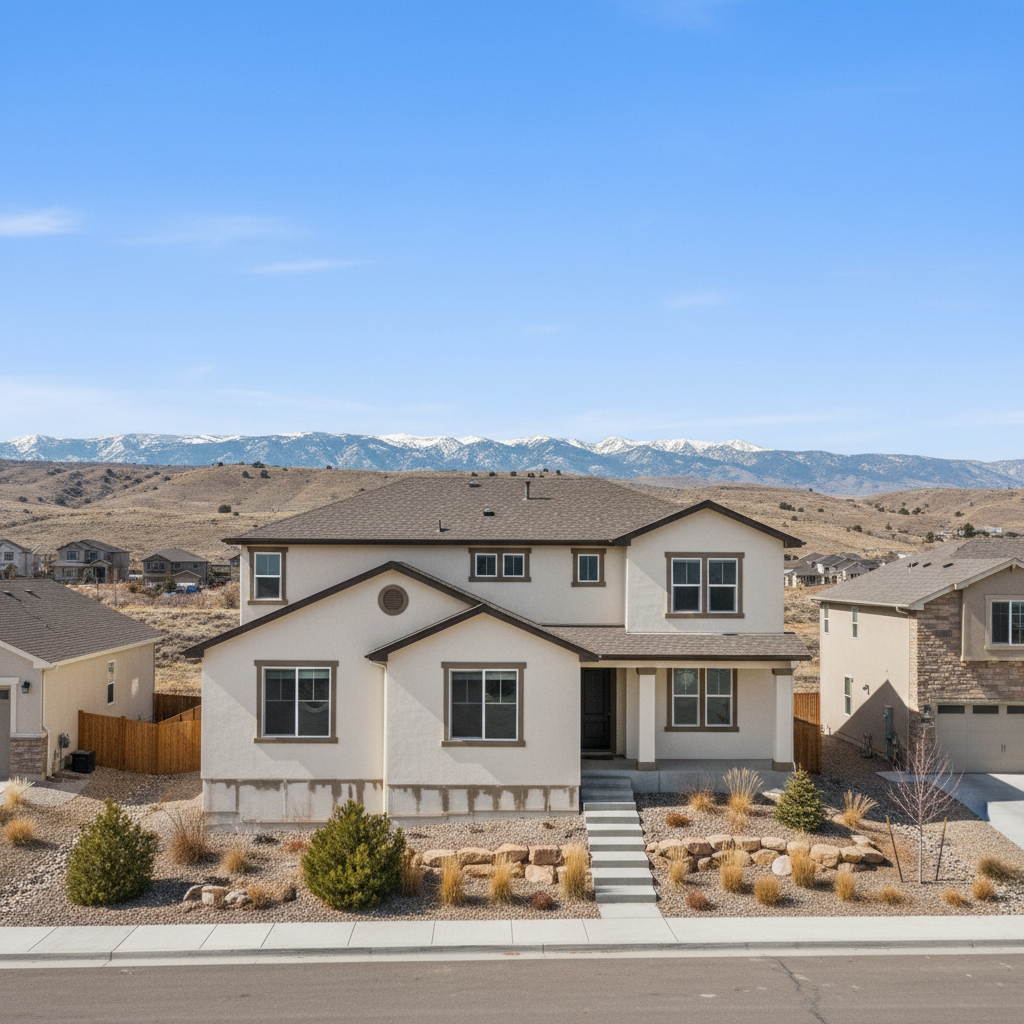
When was the last time you really looked at your stucco? I mean, really looked at it. Beyond just noticing if it's dirty or needs a paint job, I mean. For most homeowners here in Eagle Mountain, the answer is probably 'never' or 'when I noticed a crack.' And that's exactly why we need to talk about stucco inspections.
Why Even Bother with a Stucco Inspection?
Look, I get it. You've got a million things going on. But ignoring your stucco is like ignoring a weird noise in your car; it's probably going to cost you more down the road. Stucco, especially here in our high desert climate, is constantly battling the elements. We get those intense summer suns that bake everything, then the sudden, heavy snows and freeze-thaw cycles that can really stress materials. These aren't just cosmetic issues, either; we're talking about your home's integrity.
A proper inspection isn't just about finding cracks. It's about understanding the whole system. It's about catching potential water intrusion before it turns into a major mold or rot problem behind your walls. Trust me, I've seen enough homes in neighborhoods like SilverLake and The Ranches where what started as a small, innocent-looking crack ended up being a really expensive fix because water had been getting in for years, rotting out framing and sheathing. What a mess.
What We Look For During an Inspection
When I or one of my guys from Horizon Stucco Company comes out for an inspection, we're not just doing a quick walk-around. We're methodical. Here's a rundown of what we typically check:
- Cracks: Obvious, right? But it's not just if there are cracks, it's where they are, their pattern, and their size. Hairline cracks are one thing; stair-step cracks or wide, spiderwebbing patterns often point to bigger issues, sometimes even foundation movement.
- Moisture Intrusion Points: This is huge. We're looking at windows, doors, rooflines, and any penetrations like dryer vents or hose bibs, plus deck attachments. These are the most common places for water to find its way in if the flashing or sealants weren't installed correctly or have failed over time. We'll often use moisture meters to detect hidden moisture behind the stucco — something you can't see with the naked eye.
- Stucco Condition and Adhesion: Is the stucco soft? Is it delaminating or bulging away from the wall? Sometimes you'll hear areas that sound hollow when tapped, indicating it's lost its bond to the substrate. Poor installation, water damage, or just age and weathering can cause this.
- Drainage and Weep Screeds: Stucco systems are designed to manage water, not just repel it. The weep screed at the bottom of your wall is critical for allowing any water that gets behind the stucco to escape. If it's buried in landscaping or blocked, you've got a problem. We also check grade levels around the house to make sure water isn't pooling against the foundation.
- Expansion Joints: These are essential for allowing the stucco to expand and contract with temperature changes without cracking. If they're missing or improperly installed, you're going to see stress cracks develop.
Why Local Expertise Matters in Eagle Mountain
You might think stucco is stucco, no matter where you are. But that's not really true, especially when it comes to inspections. Our specific conditions here in Eagle Mountain — the expansive clay soils in some areas that can lead to foundation shifts, the intense UV exposure, the freeze-thaw cycles, and even the types of construction common in our newer developments — all play a role in how stucco performs and where it tends to fail.
An out-of-town inspector might miss the subtle signs that a local expert, who's seen hundreds of homes just like yours, would immediately recognize. We know the common building practices from different eras of Eagle Mountain's growth, and we know the specific challenges our climate presents. We're not just checking a box; we're applying years of local experience to protect your biggest investment.
Don't wait until you see obvious damage. A proactive stucco inspection can save you a ton of headaches and money down the line. It's about knowing your home is sound and protected. Give us a call if you're due for a check-up; we'd be happy to take a look.