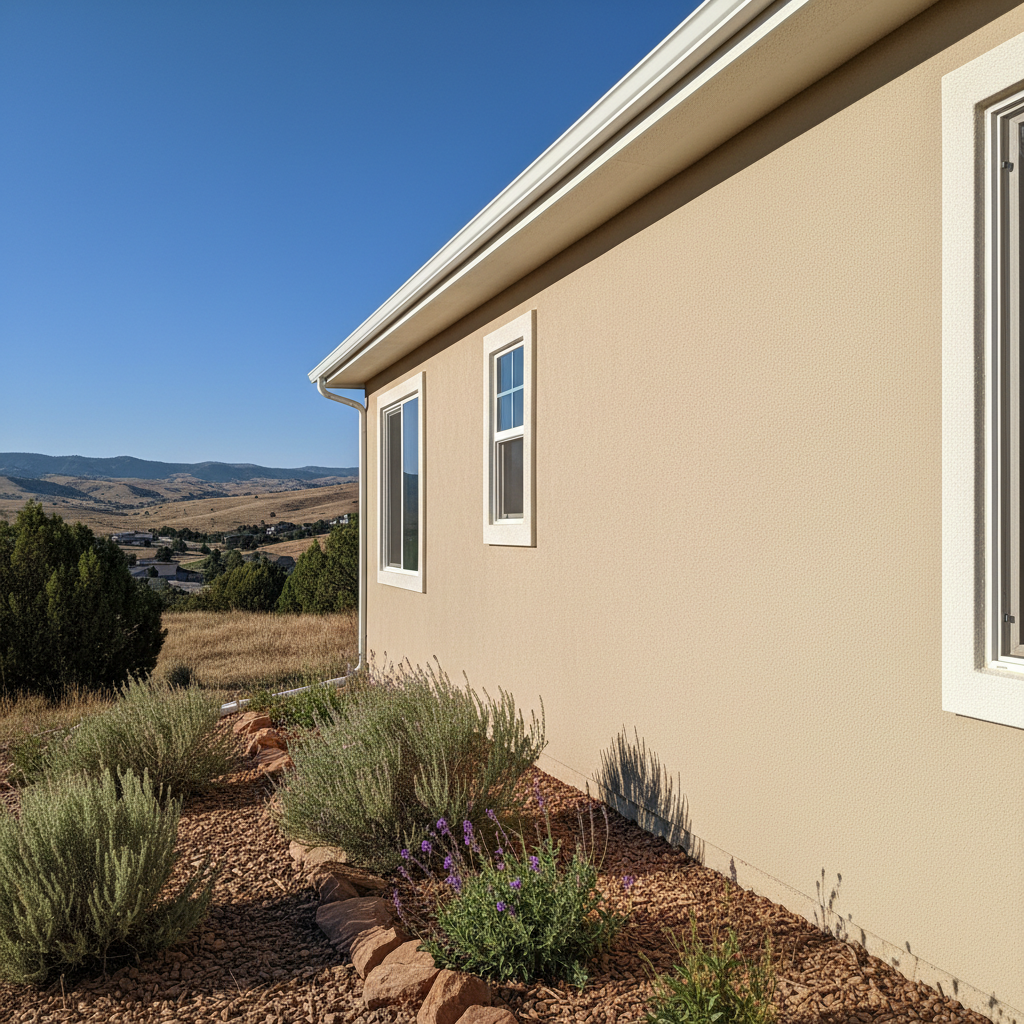
So, you just painted your stucco, and it looks fantastic. That's great! But that fresh coat isn't a "set it and forget it" kind of deal, especially here in Eagle Mountain. Our climate, with its really hot summers, freezing winters, and those spring winds kicking up dust from the west bench, can be pretty brutal on exterior finishes. You want that paint job to last, right? Of course you do. So let's chat about how to protect your investment and keep your home looking sharp for years to come.
Making Your Stucco Paint Last Longer
The biggest thing you can do to extend the life of your stucco paint? Keep it clean. It sounds super simple, but it makes a huge difference. Dust, dirt, and pollutants don't just make your house look grimy; they can actually wear down the paint film over time. Think about all that fine dust we get blowing in from the Cedar Valley – that stuff settles everywhere.
A gentle wash once a year is usually plenty. I'm talking about using a soft brush or a low-pressure power washer (and I mean *low* pressure, seriously – you don't want to strip the paint or damage the stucco itself). Just plain water or a mild, non-abrasive detergent will do the trick. Work from the top down, rinsing everything thoroughly. You'd be surprised how much brighter your house looks after a good wash. If you've got a lot of trees around, especially pines, you might need to do this more often to get rid of sap or pollen buildup. What a pain that can be!
Another key is making sure your landscaping isn't actually working *against* your stucco. Keep those bushes and trees trimmed back so they're not constantly rubbing against the walls. That kind of friction will wear down the paint faster than anything else. Also, double-check that your sprinklers aren't constantly hitting the stucco. Constant moisture can lead to mildew, staining, and eventually, paint failure.
Regular Maintenance: What to Keep an Eye Out For
Beyond cleaning, you should do a quick visual inspection of your stucco and paint at least twice a year. Maybe once in the spring after the snow melts, and again in the fall before winter really sets in. Here's what you're looking for:
- Cracks: Even small hairline cracks can let water in behind the stucco, which is a big problem. Water is the enemy of any exterior finish, no joke.
- Peeling or Blistering Paint: This usually means there's a moisture issue, either from the outside getting in or from moisture trying to escape from inside the wall.
- Discoloration or Stains: Black, green, or dark stains often mean mold, mildew, or algae growth. Rust stains? That could mean a metal component behind the stucco is corroding.
- Efflorescence: This is that white, powdery substance you sometimes see. It's mineral salts leaching out of the stucco as water evaporates. It's a clear sign that water is getting into the wall.
- Loose or Missing Caulk: Check around windows, doors, and where the stucco meets other materials. Caulk is your first line of defense against water getting in.
Don't ignore these things, folks. A small problem caught early is usually an easy fix. But a small problem ignored? That can turn into a huge, expensive headache.
When to Call a Pro
While a lot of maintenance is DIY-friendly, there are definitely times when you need to bring in someone who really knows their stuff. If you see any of the following, give us a call at Horizon Stucco Company:
- Large Cracks or Cracks That Are Spreading: Anything bigger than a hairline crack, or cracks that seem to be growing, needs professional attention. It could point to structural movement or significant water damage.
- Extensive Peeling or Blistering: If a large section of your paint is failing, it's not just a repaint job. We need to figure out *why* it's happening, address the underlying moisture issue, and then properly prepare the surface before repainting.
- Persistent Mold or Mildew: If you've cleaned it and it keeps coming back, or if it's covering a large area, there might be a deeper moisture problem that needs to be located and fixed.
- Water Stains Below Windows or Eaves: This is a classic sign that your flashing isn't doing its job, or your gutters are overflowing. We can diagnose the source of the leak and repair it properly.
- Any Signs of Water Intrusion Inside Your Home: If you're seeing water stains on interior walls or ceilings that correspond to an exterior stucco wall, don't wait. This is serious and needs immediate attention to prevent further damage.
Look, your home is one of your biggest investments. Taking care of your stucco and its paint job isn't just about curb appeal; it's about protecting the integrity of your whole house. A little proactive maintenance goes a long way in saving you money and stress down the road. If you're ever unsure about what you're seeing on your stucco, don't hesitate to reach out. We're happy to take a look and give you an honest assessment.